



Typical Ancient Android App for Historical Architecture Documentation
Typical Ancient is a mobile utility app designed to help professionals and enthusiasts document, analyze, and manage historical architecture data directly on Android devices. Built for conservation, restoration, and research work, it combines practical field tools with structured digital record keeping, making heritage documentation more accurate and efficient.
What Is Typical Ancient and What Does It Do?
Typical Ancient is an Android based mobile application developed to support individuals working in historical preservation, architectural conservation, and cultural heritage research. Instead of relying solely on notebooks, spreadsheets, or scattered image folders, users can centralize their documentation process within one structured platform.
At its core, Typical Ancient helps users:
-
Record architectural measurements and observations
-
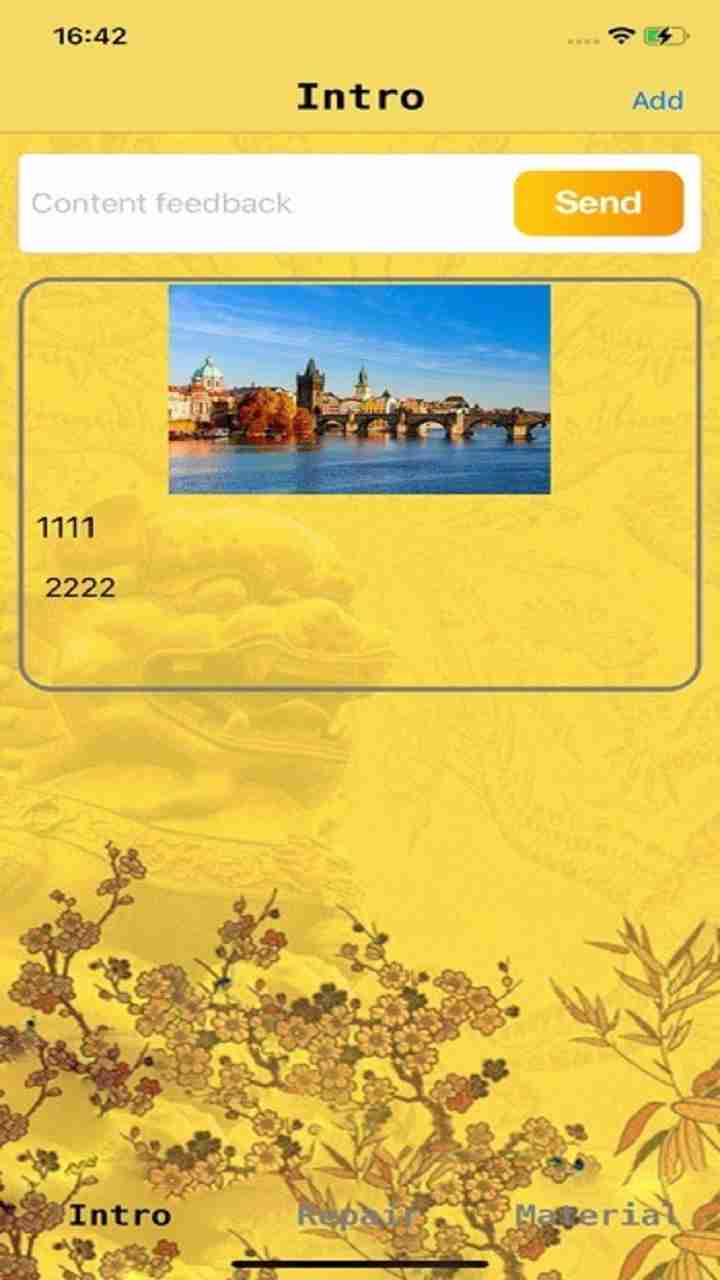
Capture and organize site photos
-
Annotate structural details
-
Manage restoration notes
-
Maintain structured project archives
The app is particularly useful for fieldwork. When working on historical buildings or archaeological structures, accurate and organized documentation is essential. Typical Ancient simplifies this process by offering digital tools that reduce manual errors and improve long term record management.
Unlike general note taking apps, Typical Ancient focuses specifically on architectural and heritage contexts. Its design reflects real world conservation workflows, making it a practical companion for site visits and restoration planning.
Key Features in Typical Ancient
Typical Ancient includes a range of features tailored to heritage professionals and researchers.
Structured Documentation Tools
One of the strongest aspects of Typical Ancient is its structured approach to data entry.
Key documentation tools include:
-
Customizable project folders
-
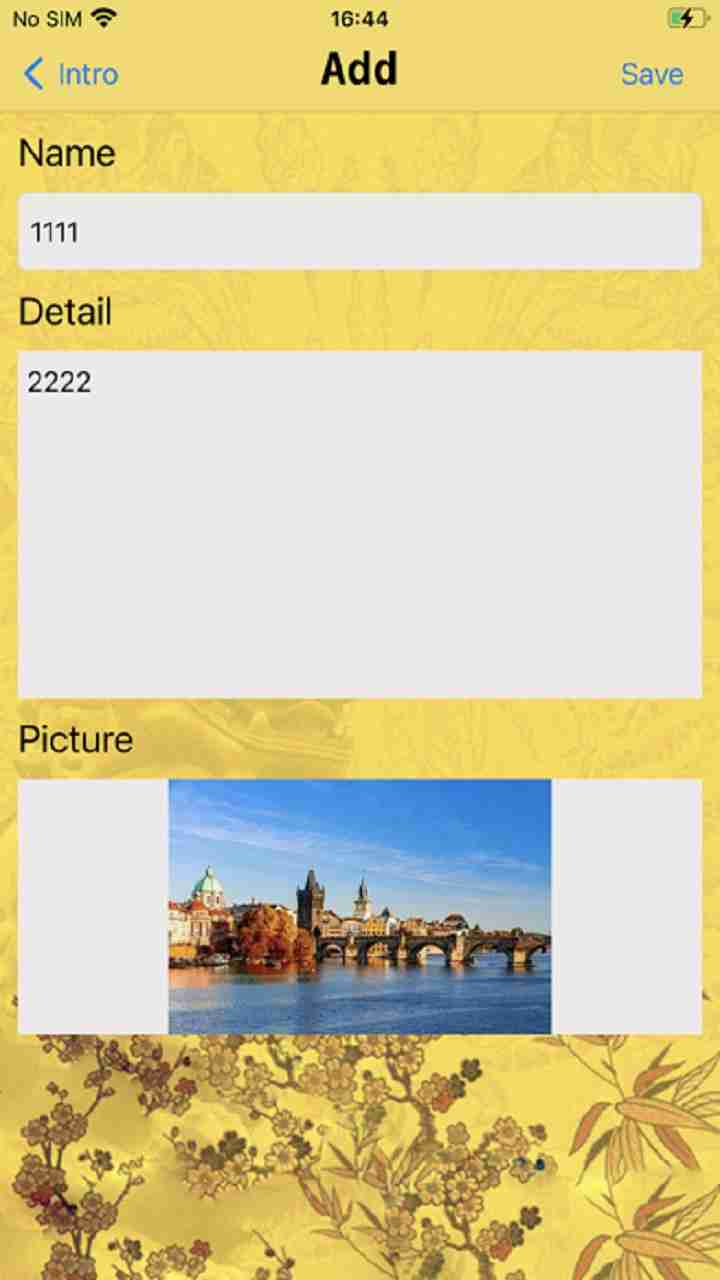
Detailed entry forms for architectural elements
-
Timestamped records
-
Location tagging support
-
Field note sections
This structure helps maintain consistency across projects, which is especially important in long term restoration work.
Photo Capture and Annotation
Visual documentation plays a crucial role in conservation.
The app allows users to:
-
Capture high resolution photos directly within the app
-
Attach images to specific building sections
-
Add descriptive notes to each image
-
Organize photos by project or location
This reduces the risk of losing context when reviewing images later.
Measurement and Data Logging
Accurate measurements are fundamental in architectural analysis.
Typical Ancient supports:
-
Manual dimension input
-
Structured measurement logs
-
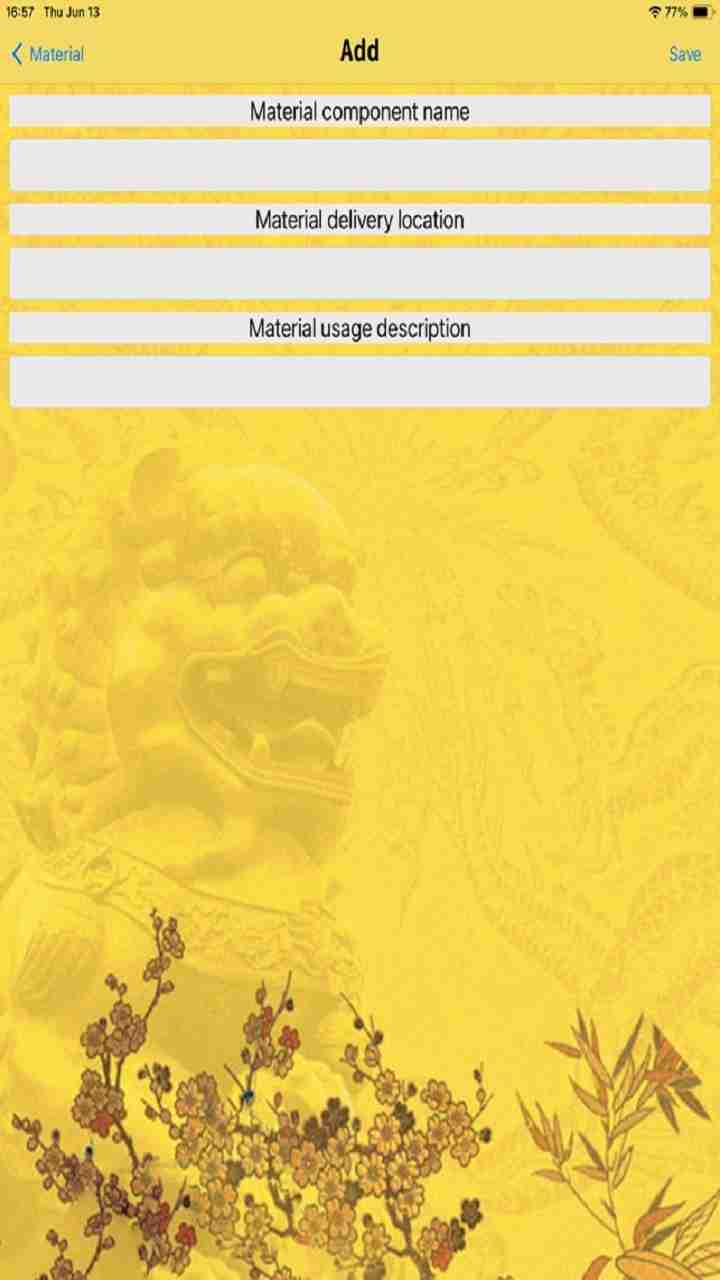
Material classification entries
-
Damage assessment notes
Having all this information stored in one organized system increases efficiency and clarity.
Project Management Dashboard
For larger projects, organization becomes even more important.
The dashboard provides:
-
Overview of active projects
-
Quick access to recent entries
-
Progress tracking indicators
-
Search and filtering tools
This makes it easier to manage multiple restoration or research sites at once.
Android Optimized Performance
Typical Ancient is designed specifically for Android devices.
Performance benefits include:
-
Smooth navigation on smartphones and tablets
-
Responsive touch controls
-
Lightweight design suitable for field conditions
-
Offline functionality for remote locations
Fieldwork often takes place in areas with limited connectivity. Offline support ensures that users can continue working without interruption.
Pros and Cons
Like any specialized tool, Typical Ancient has strengths and limitations.
Pros
-
Tailored for architectural conservation and heritage documentation
-
Organized and structured data entry system
-
Integrated photo capture and annotation
-
Mobile friendly and field ready
-
Supports offline usage
Cons
-
May feel complex for casual users
-
Designed mainly for professional or academic contexts
-
Requires careful data entry to maximize benefits
-
Limited appeal outside architectural fields
For its target audience, however, these limitations are minor compared to its practical value.
Comparison with Similar Apps
To understand how Typical Ancient stands out, it is useful to compare it with general documentation and project management apps.
| Feature | Typical Ancient | Generic Note App | Construction Project App |
| Heritage Focused Tools | Yes | No | Partial |
| Structured Architectural Forms | Yes | No | Limited |
| Photo Annotation for Buildings | Yes | Basic | Yes |
| Offline Field Support | Yes | Yes | Partial |
| Designed for Conservation Work | Yes | No | No |
While generic apps offer flexibility, they often lack the specific structure required for historical architecture projects. Typical Ancient fills that gap with targeted tools.
User Reviews and Feedback
User feedback suggests that Typical Ancient is especially appreciated within academic and professional communities.
Aggregate Real Feedback
Common positive themes include:
-
“Great tool for field documentation.”
-
“Helps keep restoration notes organized.”
-
“Very useful for architectural surveys.”
-
“Makes site data easier to manage.”
Users frequently highlight the structured workflow as the app’s strongest feature.
Personal Experience Perspective
From a usability standpoint, Typical Ancient feels practical rather than flashy. Its focus is on functionality, not entertainment. For professionals who need clarity and reliability over visual complexity, this is an advantage.
The learning curve is manageable. Once users understand the structure of project folders and data categories, the workflow becomes intuitive.
Areas for Improvement Mentioned by Users
Some feedback suggests:
-
Desire for cloud backup options
-
More customizable templates
-
Expanded reporting export formats
These suggestions reflect growing demand rather than major flaws.
FAQs
-
What is Typical Ancient mainly used for
Typical Ancient is used for documenting and managing data related to historical buildings and architectural conservation projects.
-
Is Typical Ancient suitable for students
Yes, architecture and heritage students can use it for field surveys, academic research, and project documentation.
-
Does Typical Ancient work offline
Yes, it supports offline functionality, which is useful during on site visits in remote areas.
-
Is Typical Ancient only for professionals
While it is designed for professionals, enthusiasts and researchers interested in historical architecture can also benefit from it.
-
Can data from Typical Ancient be exported
Export options may vary depending on version, but documentation can typically be organized and reviewed within structured project folders.
Key Takeaways
-
Typical Ancient is a specialized Android app for historical architecture documentation
-
It offers structured data entry, photo annotation, and measurement logging tools
-
Designed for conservation professionals, researchers, and students
-
Optimized for fieldwork with offline support
-
Stands out from generic note taking apps due to its heritage focused features
Conclusion and Call to Action
Typical Ancient is a practical and well structured Android app built for those who work with historical architecture and heritage preservation. By combining organized documentation tools, integrated photography, and field ready performance, it simplifies a process that often relies on fragmented systems.
If you are involved in restoration, conservation, or architectural research, Typical Ancient can help streamline your documentation workflow and improve long term project management. Explore its features on your Android device and see how it can support your next heritage project.